
2026-11-03
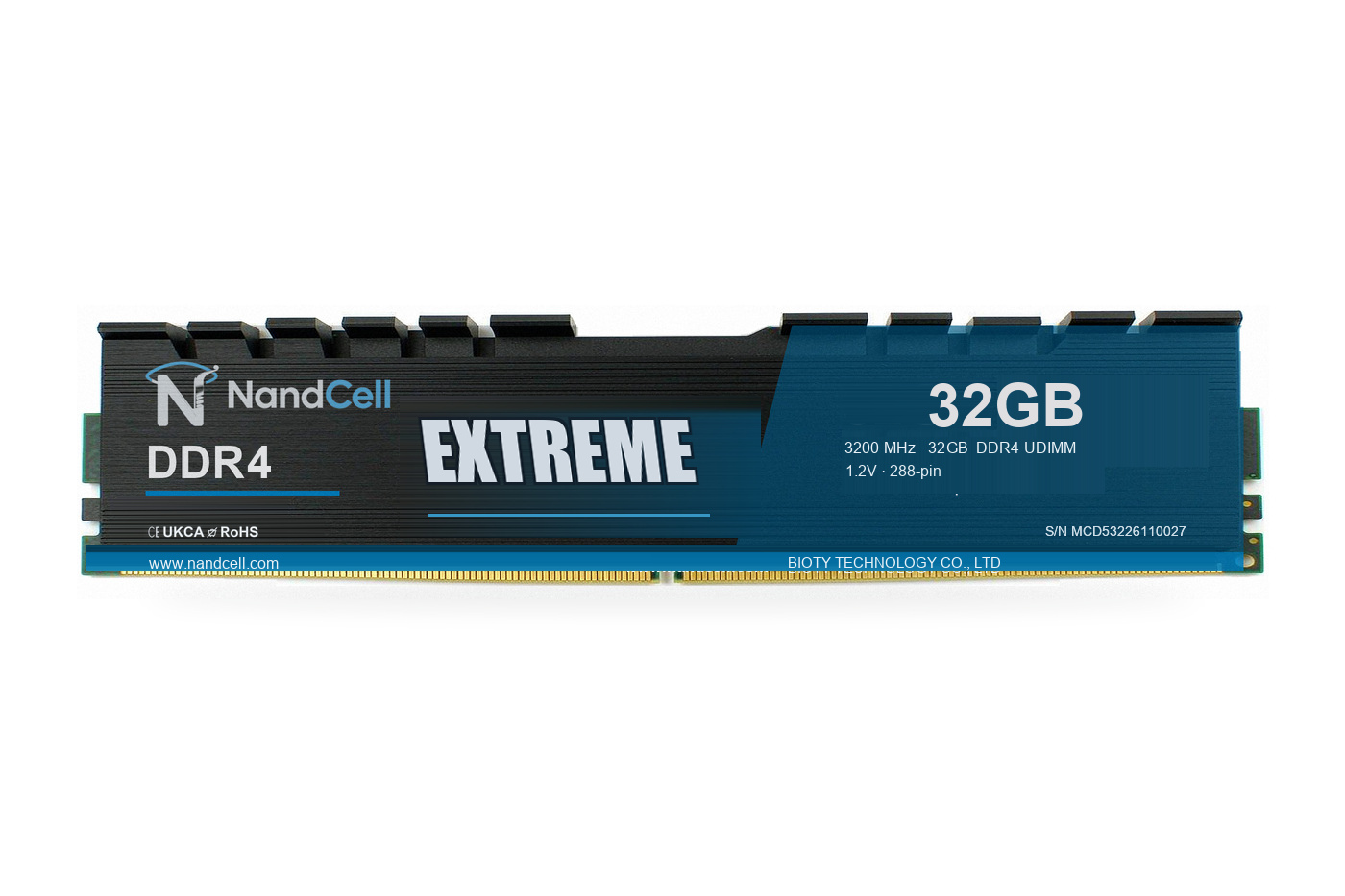
DDR4 last-time buys: keeping a legacy platform supplied
New DDR4 production is winding down through 2026. A practical checklist for last-time-buy quantities, part authentication and a realistic DDR5 migration decision.
Read moreTrendForce's 11 November research puts 4Q26 PC DRAM contracts up 13-18% QoQ but client SSDs below 5%, while NAND wafer and microSD spot prices are falling. What the gap means for buyers.
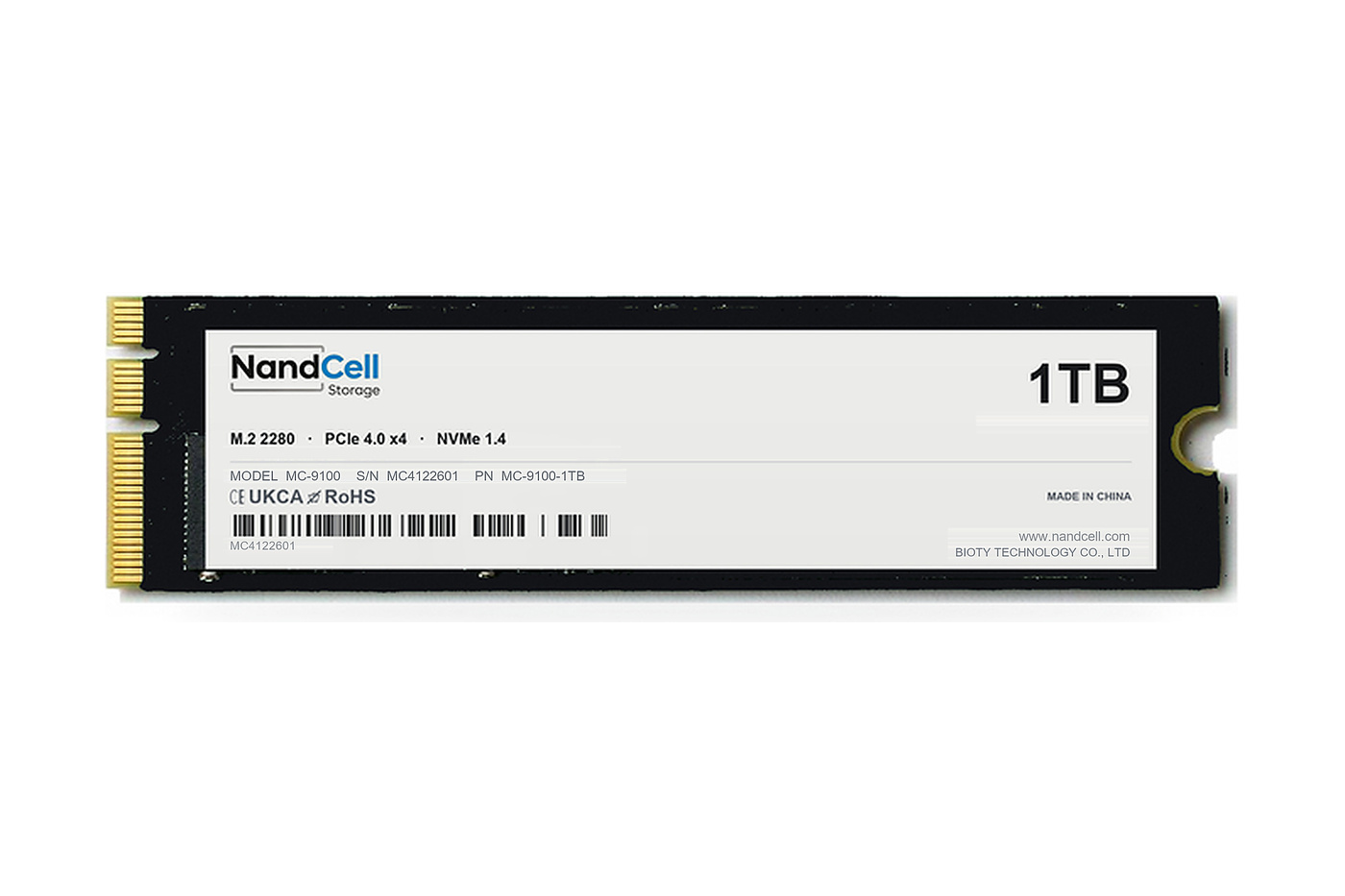
Two price signals are moving in opposite directions, and buyers who read only one of them will mis-time the quarter. In its 11 November 2026 market view, TrendForce forecasts PC DRAM contract prices rising 13-18% quarter-on-quarter in 4Q26, a slower increase than the previous quarter. Client SSD contract prices are expected to rise by less than 5% over the same period, also a marked moderation. Notebook shipments fell 15.8% QoQ in 3Q26, with a further single-digit decline possible in 4Q26, and PC brands have curtailed client SSD procurement to essential production only. Some OEMs are already revising 1Q27 plans downward and considering a larger share of private-label models.
The spot market is telling the opposite story. TrendForce's early-November updates show the 512Gb TLC NAND wafer falling for two consecutive weeks, down 9.19% and then 4.33%, with the mainstream DDR4 1Gx8 3200 chip edging 0.09% lower to about USD 46.82. DDR5 16Gb held flat near USD 61.50. TrendForce's memory-card spot table had microSD 16/32/64/128 GB all quoted 2-3% lower on the session. Contract and spot are diverging because the two serve different buyers: long-term agreements are still being set by AI-driven demand and floor-price deals, while the open market is clearing excess inventory into weak PC demand. A weekly spot dip is not a contract repricing, and a contract increase is not a spot shortage.
The practical response is to separate the two in your own negotiation. For DRAM, assume the contract increase lands and protect allocation on the densities you actually ship — forecast a quarter ahead and qualify a second source on the same part rather than waiting for a spot correction to reach your quote. For client SSD and microSD, the softening spot tape and subdued OEM demand give buyers more room: ask for a written validity period, compare quotes across capacities, and note that Chinese suppliers and module makers have been winning orders with comparatively modest increases. NandCell supplies DDR3 / DDR4 / DDR5 UDIMM and SODIMM, M.2 2280 / 2230 NVMe and 2.5-inch SATA SSDs, and seven microSD grades. Quotes are returned within one working day; private-label MOQ is 100 pieces per model, so testing a second source does not need a large commitment.
Related: NandCell product catalogue · TAA origin and documentation · Buyer answers · Request a quotation
New DDR4 production is winding down through 2026. A practical checklist for last-time-buy quantities, part authentication and a realistic DDR5 migration decision.
Read more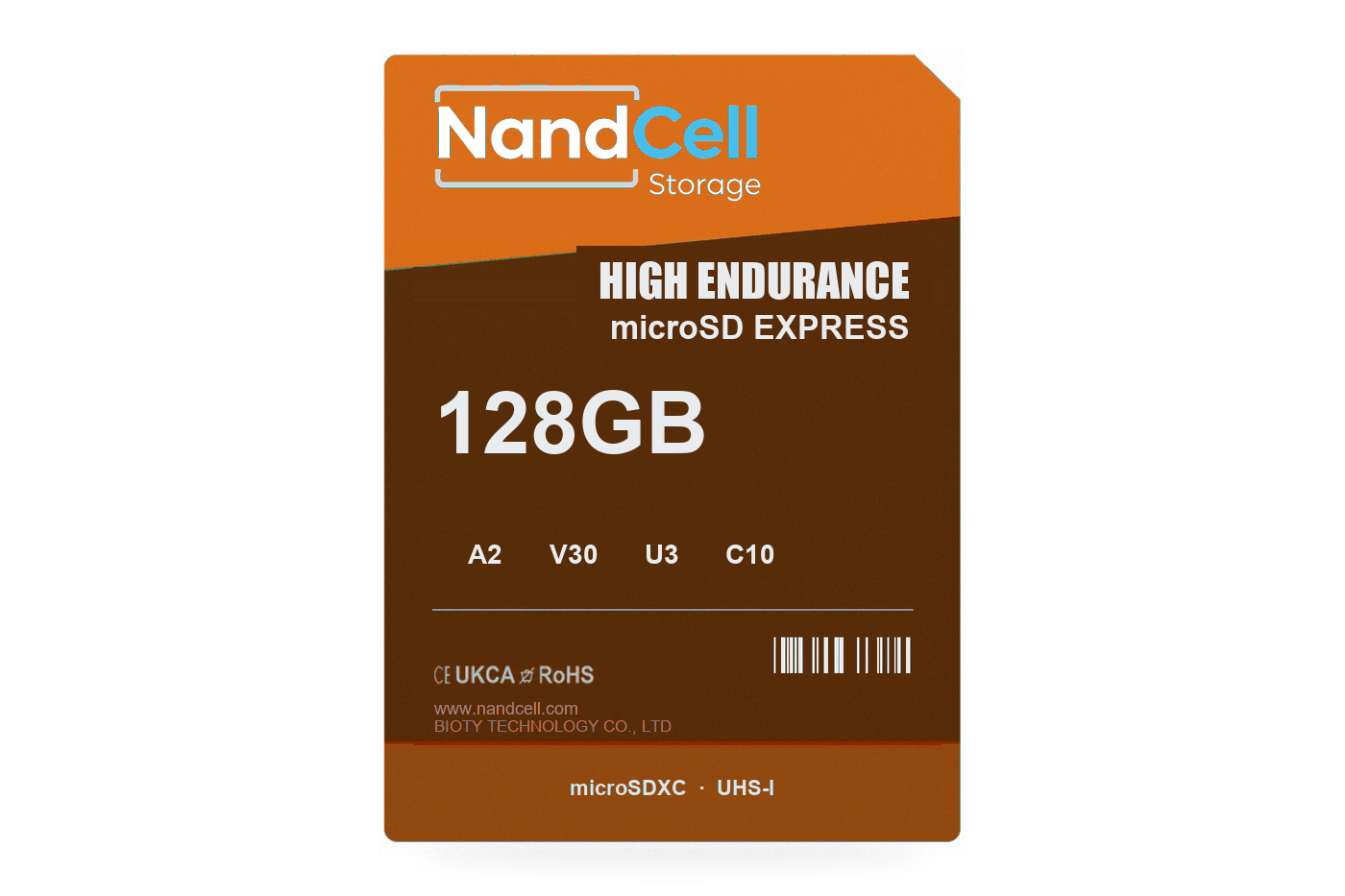
Edge AI cameras, dashcams and industrial gateways write continuously. How to choose between A1, A2 V30, high endurance, surveillance, pSLC and SD Express grades.
Read moreDDR4 supply is thinning, allocation is the constraint on DDR5, and microSD buyers are being asked to justify endurance grades. A short checklist for the quarter.
Read moreSend us your model list, capacities and target market. You will get a quotation, MOQ and lead time back within one working day.