2026-10-27
Three decisions shape orders this quarter: how long DDR4 stays buyable, how much DDR5 capacity to commit, and which endurance grade a microSD line actually needs.
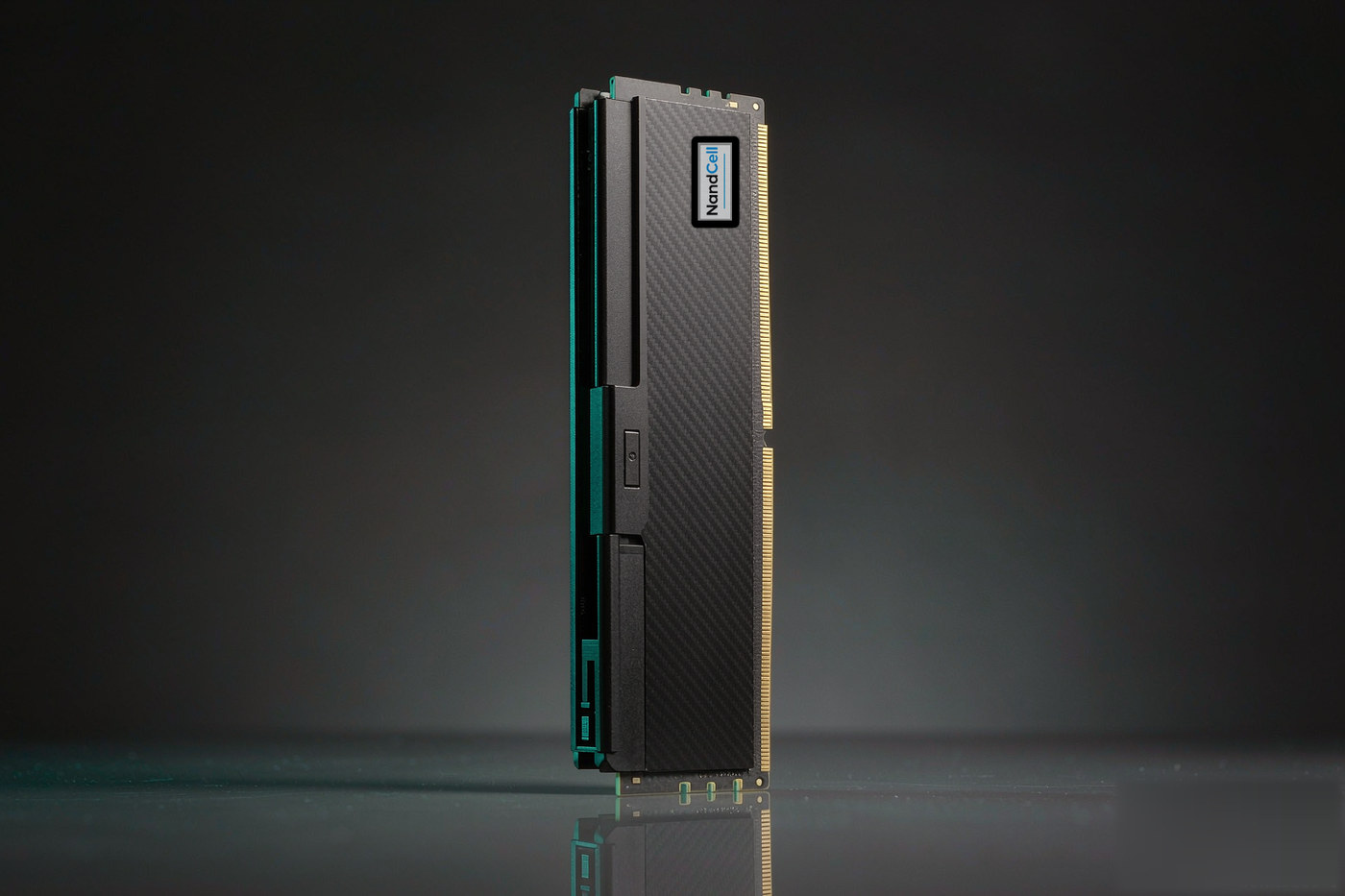
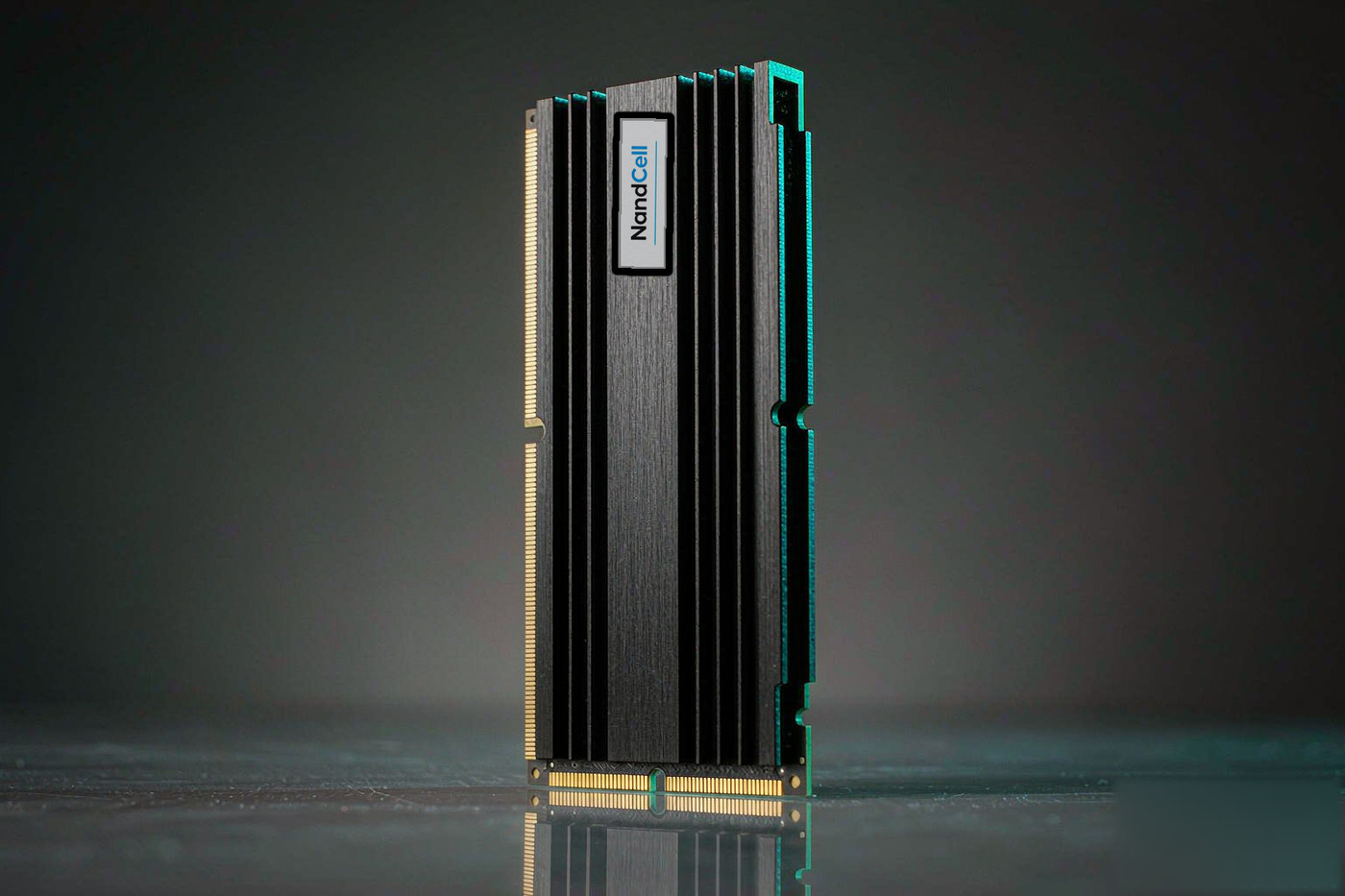
DDR4 is in its tail. The major fabs have signalled end-of-life on the volume densities, and what remains is a shrinking pool of legacy parts with little room to reorder. If a product line still depends on DDR4, the useful question is not whether to migrate but how many more quarters of supply to contract — and keeping a qualified DDR5 alternative on the shelf before the answer becomes urgent.
On DDR5, the constraint is allocation rather than price. Commit to the densities you actually sell, place the forecast a quarter ahead, and accept that the fastest bins are the first to disappear. For most private-label programmes, 4800 and 5600 at 16 GB and 32 GB is the line that clears.
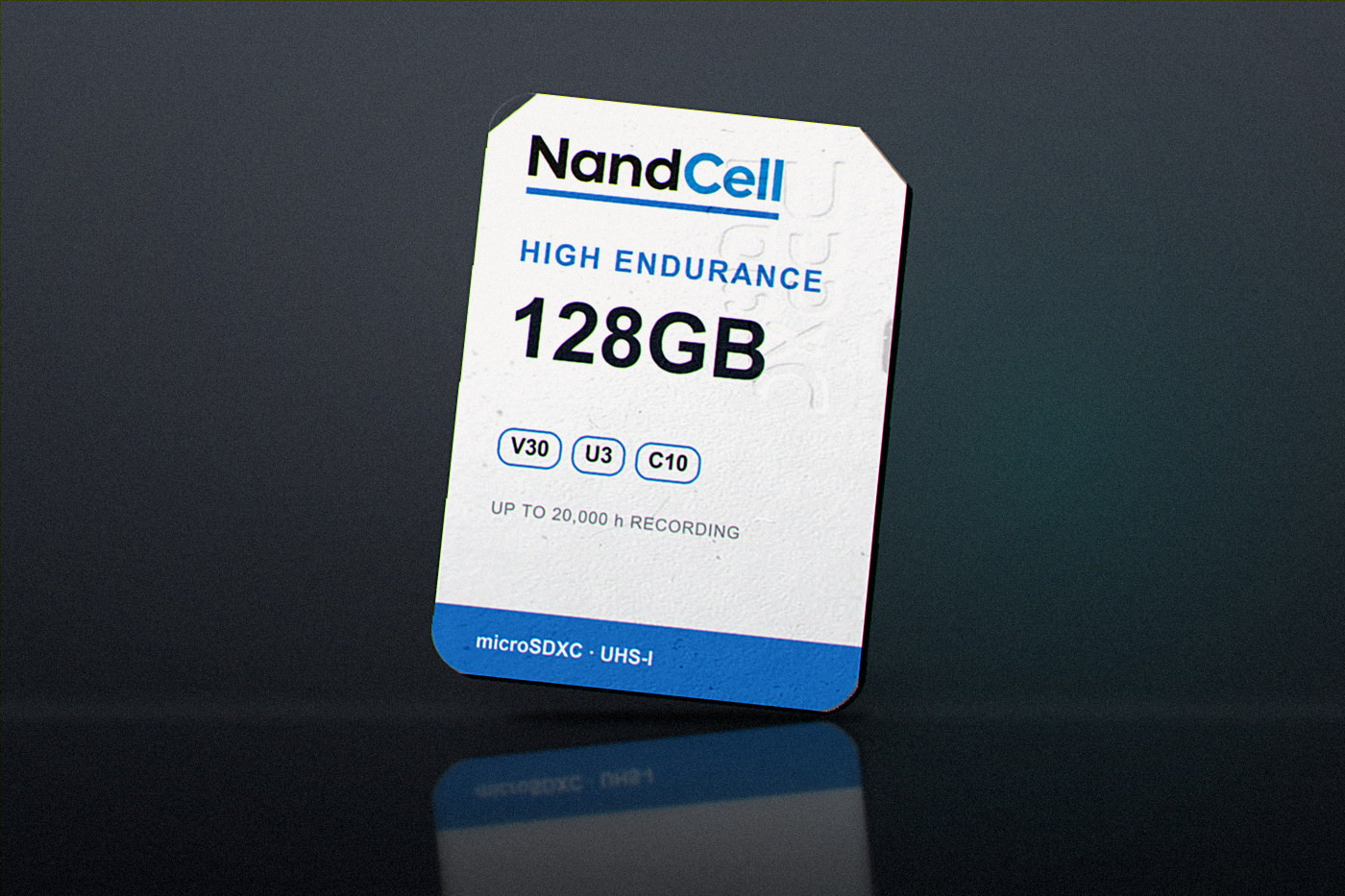
On microSD, buyers are now asked to justify the endurance grade per use case rather than take the cheapest card. Dashcam and surveillance work needs high-endurance or pSLC parts; general retail does not. Matching grade to workload is the difference between a quiet RMA line and a loud one.
Related: NandCell product catalogue · TAA origin and documentation · Buyer answers · Request a quotation